Our policy work
Enhancing Accessibility Policy for Blind and Partially Sighted (BPS) Audiences in UK Museums
What is Layers of Vision?
Layers of Vision is a collaborative research impact project. The purpose of this project is to improve access and inclusion for blind and partially sighted (BPS) audiences in UK museums. In 2022, researchers from King's College London, Royal Holloway Business School and Lancaster University Management School partnered with Shape Arts, Zoe Partington, King's Culture and nine professional artists with lived experience of sight loss to co-design the Layers of Vision art exhibition.
This exhibition highlights the experiences of BPS artists in a world designed for the sighted. It challenges everyday barriers through creative explorations of accessibility, celebrating diverse forms of vision. Featuring multisensory elements, it invites engagement, sparks dialogue, and rethinks access and disability inclusion in the arts, museums and beyond.
Shortcomings of Current Accessibility Policies
The UK Equality Act 2010 requires museums to make 'reasonable adjustments' for disabled visitors. However, the lack of defined minimum standards means access for blind and partially sighted people remains inconsistent, with many access initiatives focussed on physical, not sensory access. Arts Council England's Accreditation Scheme mandates access plans and policies, but enforcement is limited. Government support is largely indirect, and tax relief schemes, including Museums and Galleries Exhibition Tax Relief, aim to broaden public access by supporting new exhibitions, but do not specifically target accessibility improvements. While these mechanisms can be used to enhance access, there is no explicit national policy or incentive structure to ensure consistent, inclusive design. Such standards would also require equally robust financial support or incentivisation.
Layers of Vision's Call to Action
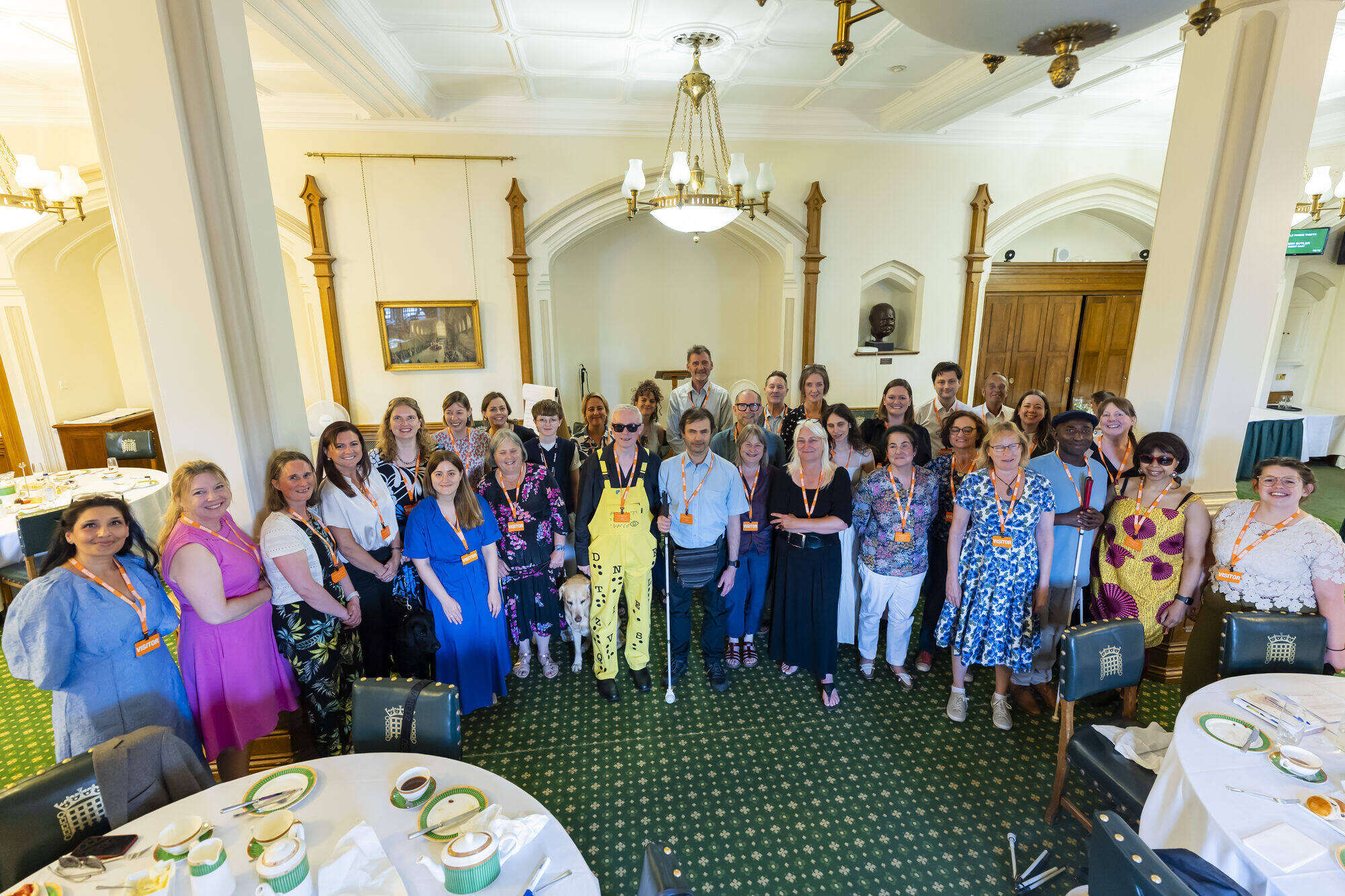
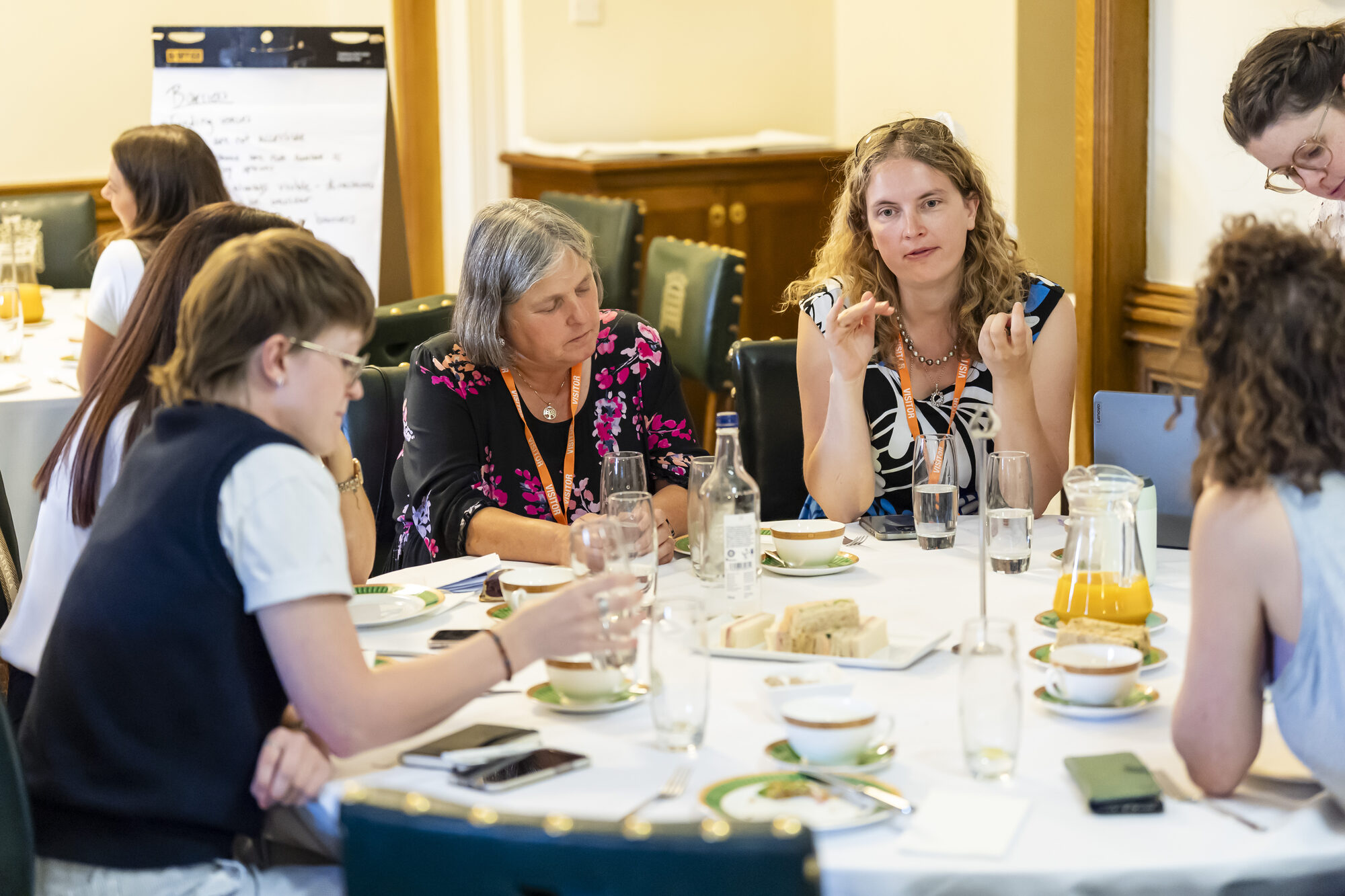
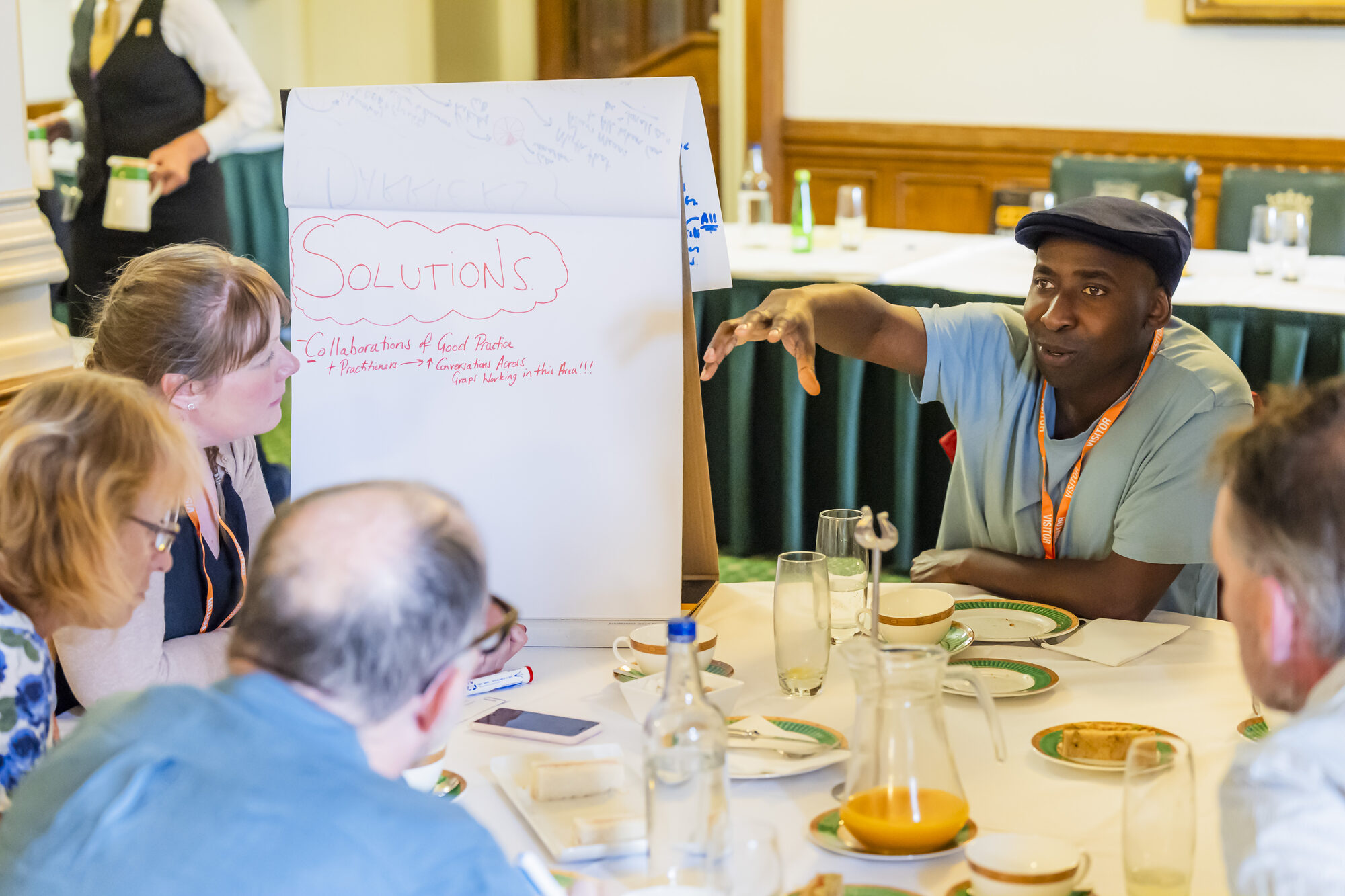
On the 3rd of July 2025, the Layers of Vision team, in collaboration with the APPG for Eye Health and Visual Impairment, hosted a workshop at the House of Commons, UK Parliament. Based on their learnings from co-designing an exhibition, and in dialogue with members of the APPG, museum professionals, sector support organisations and sight loss organisations, they developed a set of recommendations on how current accessibility policy and practice in museums can be improved:
-
Introduce National Minimum Standards for Access and Inclusion Replace the reliance on "reasonable adjustments" with clear, enforceable minimum standards for museums, galleries, and heritage sites. These standards should be co-developed with blind and partially sighted people and guided by the core principle of choice in how visitors access and engage with information and experiences.
Examples of what minimum standards might include:
- Mandatory provision of accessible formats through information access policies (e.g. audio description, tactile interpretation, large print, and digital alternatives).
- Inclusive design of exhibitions and interpretation from the outset.
- Requirements for accessibility and inclusion in all procured materials and services, including exhibition design, digital platforms, and visitor communications. These examples are illustrative and not exhaustive; the standards should remain flexible and responsive to evolving needs and technologies.
-
Establish a National Access Board for Museums, Galleries, and Heritage Sites Create an independent body to oversee the implementation of access standards, provide expert guidance, and recognise best practice through formal accreditation or awards. This board should include representation from disabled people and sector professionals.
-
Require Ringfenced Accessibility Funding in Public Grants Mandate that all publicly funded grants for museums, galleries, and heritage sites include a dedicated percentage of funding for accessibility and inclusion measures. This ensures that access is embedded in project planning and delivery, not treated as an optional extra.
-
Ensure Accessibility is Embedded Across the Entire Visitor Experience Require that sensory and physical accessibility is integrated throughout exhibitions, interpretation, and the wider museum, gallery, or heritage site environment. Accessibility should be a core design principle, not an afterthought.
-
Mandate Paid Inclusion Panels in All Publicly Funded Museums, Galleries, and Heritage Sites Require all publicly funded institutions to establish advisory panels that include disabled people, especially those who are blind and partially sighted, with members fairly compensated for their time and expertise. These panels should be involved in decision-making processes related to access and inclusion.
-
Implement Mandatory Disability and Visual Awareness Training for All Staff Introduce compulsory, regularly refreshed disability and sensory access training for all staff, including curators, front-of-house teams, facilities, communications, and senior leadership. Training should be developed and delivered in collaboration with blind and partially sighted people.
Download the Policy Brochure (PDF)
Credits
Co-Investigators: Dr Katharina C. Husemann, King's College London; Prof. Anica Zeyen, Royal Holloway Business School; Dr Leighanne Higgins, Lancaster University Management School
Partners: King's Culture, Shape Arts, Zoe Partington and the APPG for Eye Health and Visual Impairment
Exhibiting Artists: Alice Christina-Corrigan, Bianca Raffaella, Aaron McPeake, Clarke Reynolds, Fae Kilburn, Natalie Doig, David Johnson, Sally Booth, Mickel aka Ebony Rose Dark and Zoe Partington
Design: Praline
Website development: King's Digital Lab
Want to get involved, and help Layers of Vision champion accessibility in UK museums? Or, do you find our policy recommendations helpful, and you wish to use, or refer to them? We would be grateful if you would contact us: katharina.husemann@kcl.ac.uk